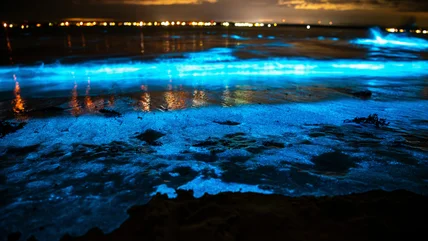
7 Dazzling US Destinations Where Bioluminescent Waters Glow
The sparkly, blue waters of bioluminescence can be spotted right in the United States, from West Coast destinations to eastern islands and beaches.
Read More
The sparkly, blue waters of bioluminescence can be spotted right in the United States, from West Coast destinations to eastern islands and beaches.
Read More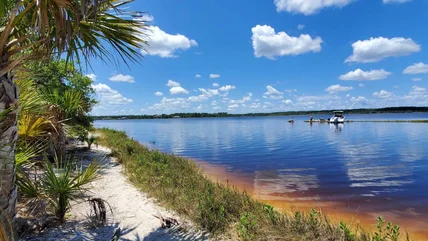
This laid-back, picturesque state park on Florida's Atlantic coast is an ideal spot for paddling, fishing, camping, spotting manatees, and eating gator bites.
Read More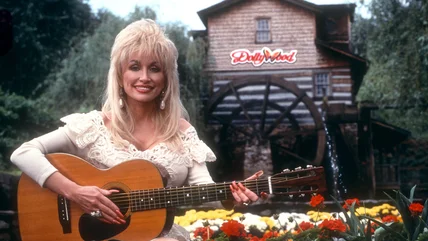
Celebrate the life and legacy of Dolly Parton while being entertained by country and gospel music at these Dollywood attractions beloved by the singer herself.
Read More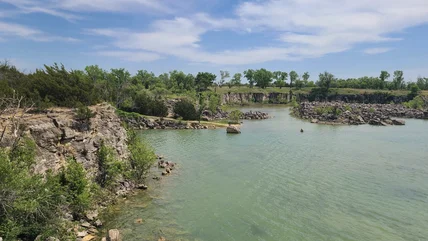
One area beloved by hikers and bikers for decades has now been converted into Kansas' new state park, complete with campsites, trails, and a lake.
Read More
Aquatic fun for the whole family is just the tip of the iceberg at this newly constructed, huge indoor waterpark in a Michigan town with German heritage.
Read More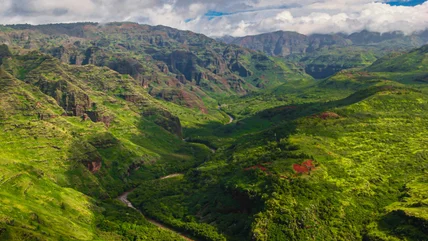
Skip Hawaii’s major tourist attractions and opt for a visit to this low-key park on a less-traveled island with picturesque emerald canyons and waterfalls.
Read More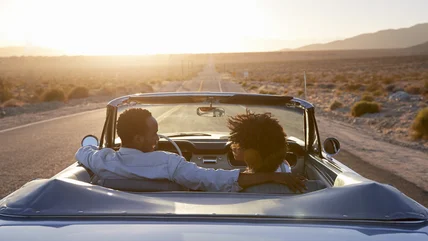
If you’re looking for the iconic American road trip experience, skip the more famous highways and travel this epic, scenic route, from sea to shining sea.
Read More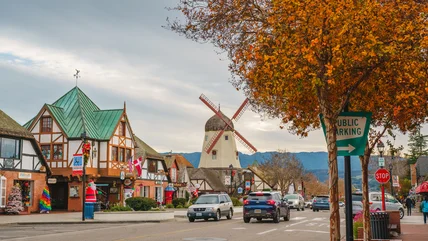
Experience a taste of Denmark, from Danish food and museums to charming Danish architecture, in this California city that feels like none other in the state.
Read More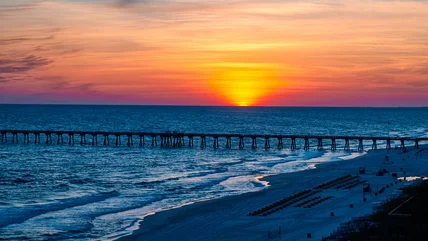
Dolly Parton praised the stunning beaches at this popular coastal Florida destination and even chose to open one of her dinner show locations here.
Read More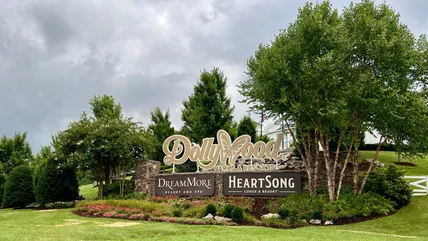
In August 2026, Dollywood debuted its longest ride to date, taking riders through both dry track and wet rapids in an immersive indoor space.
Read More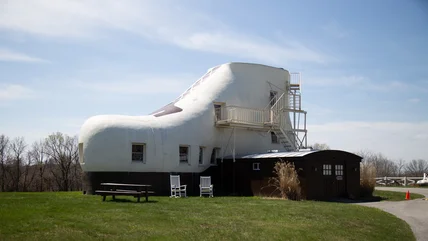
Drive through the mountains, pass quirky roadside attractions, and sample delicious home cooking along this historical Pennsylvania highway.
Read More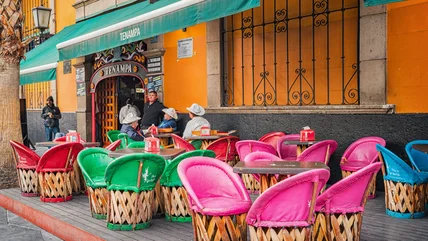
Dining out is a significant part of the experience when visiting Mexico, but to avoid leaving a bad impression, keep these four local customs in mind.
Read More
Though not a major tourist destination, this California city offers easy access to popular attractions, along with some of its own family-friendly hidden gems.
Read More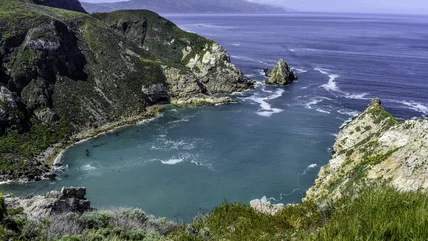
With more national parks than any other state, this is the best place to go for a wide variety of outdoor adventures and scenic nature spots.
Read More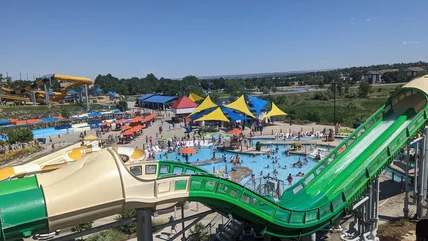
A Denver-area water park that's among the largest in the country has added new attractions and amenities for families looking for summertime fun.
Read More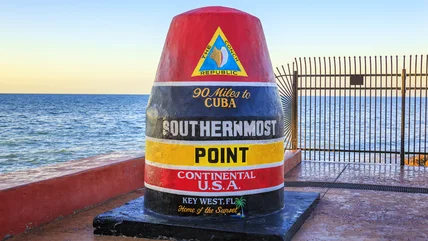
Spanning thousands of miles and several months, this epic hike will take you from the islands of the Florida Keys to the mountains of Maine and into Canada.
Read More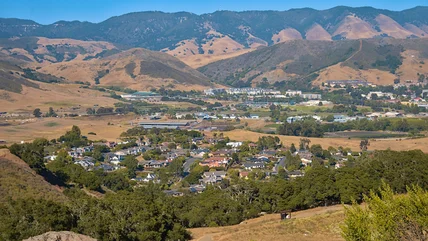
Tucked away in central California is a peaceful destination with vineyards and wineries, alongside art galleries, historical sites, and quirky attractions.
Read More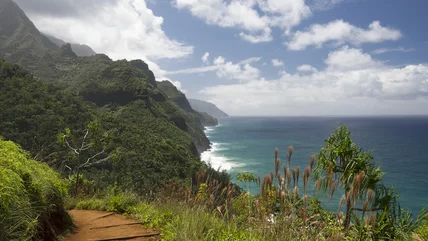
This Hawaiian trail may have gorgeous scenery, but it also comes with unstable terrain, steep elevation gains, and possible inclement weather.
Read More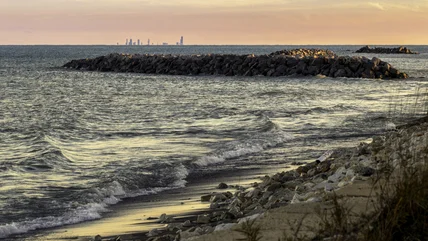
Escape the city at this Illinois state park, boasting 6 miles of sandy coastline, nature preserves, hiking trails, hundreds of campsites, and diverse wildlife.
Read More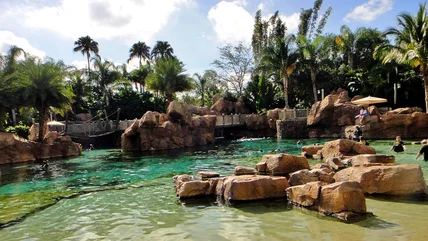
This water park stands out from other Florida theme parks thanks to its all-inclusive price, animal encounters, and unique lineup of activities.
Read More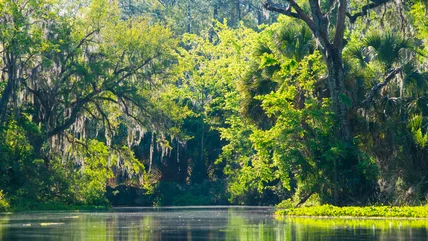
Hop in a glass-bottom boat, paddle, hike, and even camp around the crystal-clear natural springs in this scenic state park in North Central Florida.
Read More
Even when the weather outside is uncomfortable, you can have a day of water park fun at this indoor spot just a 30-minute drive from New York City.
Read More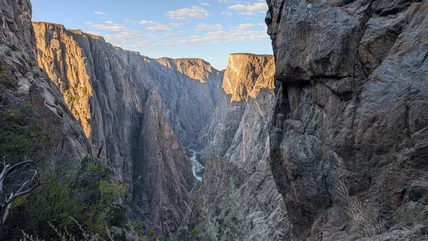
This Colorado national park is a peaceful, underrated gem, with a steep, 48-mile-long canyon that's a playground for adventurers and photographers alike.
Read More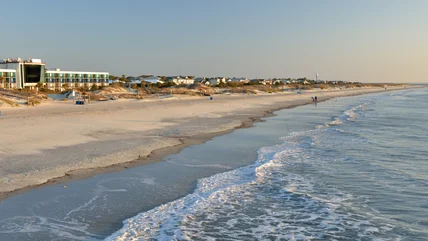
If you time your summer trip to Georgia right, you may be able to spot sparkling bioluminescence at one of the state's islands after the sun goes down.
Read More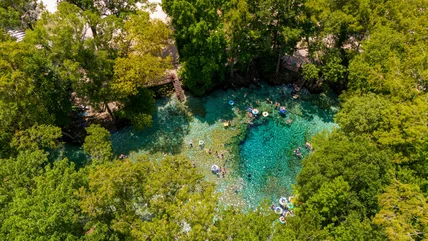
This inland Florida destination is known as the "Gateway to the Springs" for its handful of local natural springs, plus a unique river for days spent outdoors.
Read More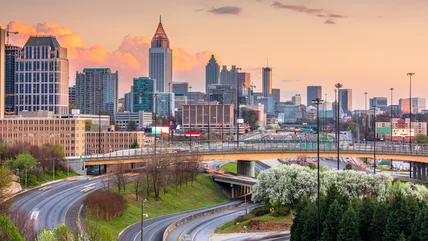
Thanks to its diverse attractions, spots to cool down, nightlife, and accessibility, this major city was named the top U.S. destination for summer 2026.
Read More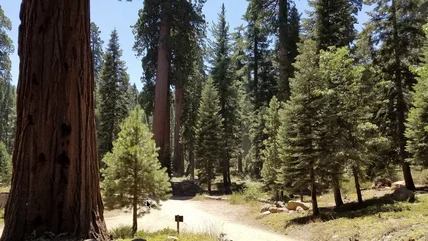
This hidden-gem forest in California is home to over 4,500 of the largest old-growth giant sequoias in the state and doesn't have fees or massive crowds.
Read More